
Leader Line In Engineering Drawing
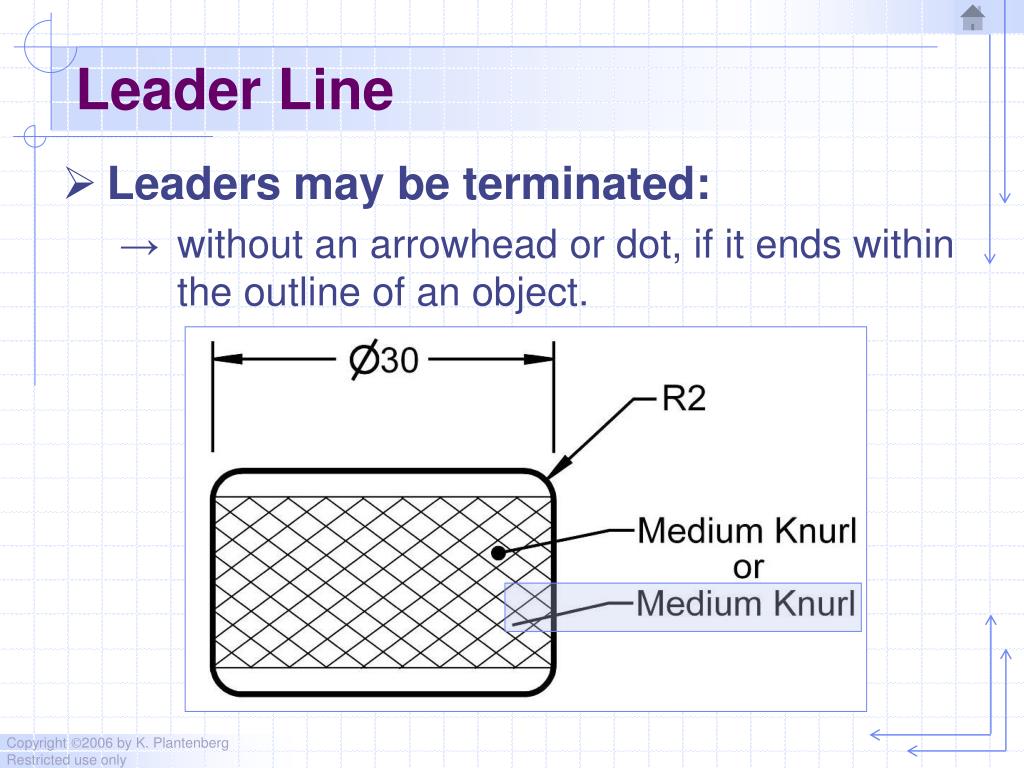
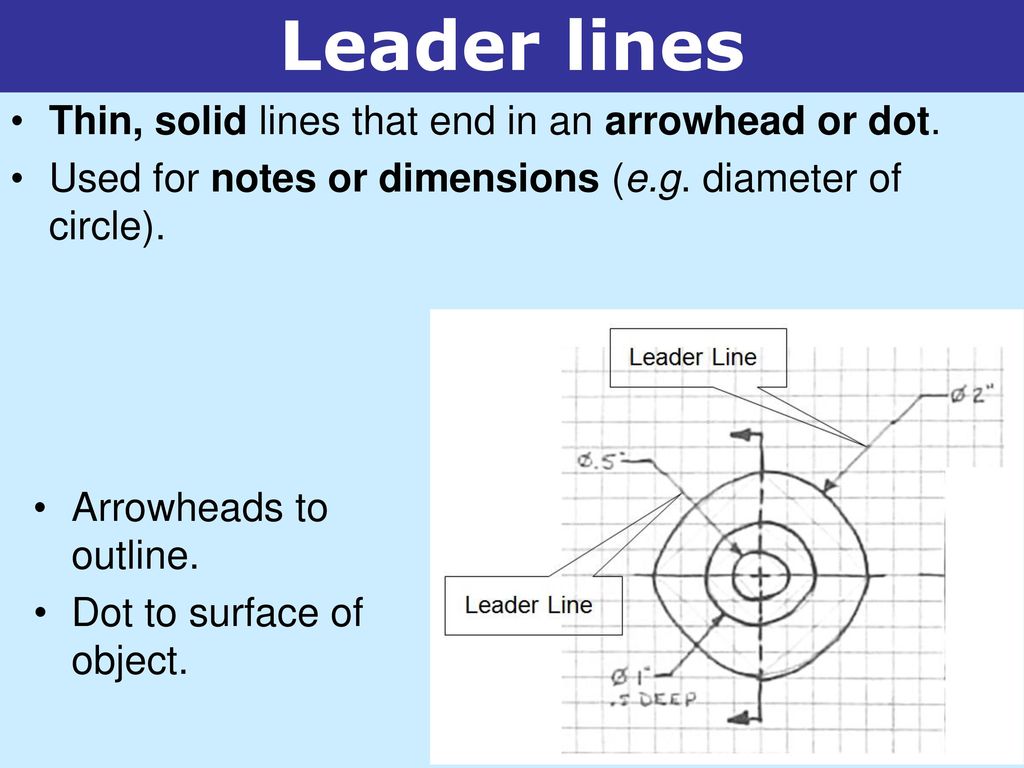
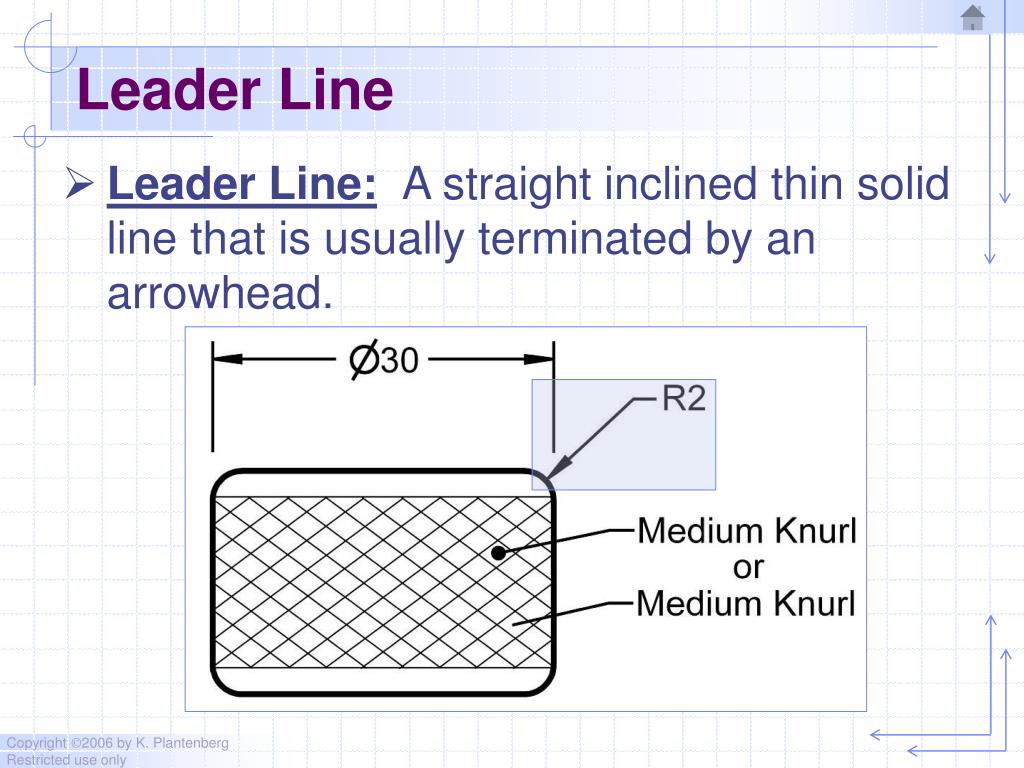
Leader Line In Engineering Drawing - Web leader lines, how they are used on blueprints. Dimensions make use of dimension lines, extension lines and leader lines. Leaders are drawn as straight lines, but they must be drawn at an angle other than horizontal or vertical. Leaders are used to indicate information about hole diameters, radii, and other information that occurs as a specific location or on a particular surface on the drawing. Leader lines are straight or curved lines that have an arrow or dot at one end and are used to point to specific features or annotations in a drawing. Dimension, projection, leader, hatching type lines must be drawn thin and continuous. The extension lines for dimensioning should run from the outlines without leaving a gap and extend beyond the dimension lines. They typically originate from a note, label, or callout and connect to the object or area being referenced. Types of lines include the following: A leader is a thin line used to connect a dimension with a particular area (figure 24). A leader points to a bit of our drawing and says: The main features of leader lines. There are several mark types that can be displayed at the end of leader lines. Limits of size — the largest acceptable size and the minimum acceptable size of a feature. There are several acceptable types of. They are typically utilized when pointing to notes, labels, or callouts that provide additional information about a particular object or detail. Extension lines and centerlines should not connect between views. These lines are solid and has no break in them. Web the continuous thin line is the most frequently used line type on engineering drawings. You have heard the saying, “a picture is worth a thousand words”. Web extension lines begin 1.5 mm from the object and extend 3 mm from the last dimension line. They typically originate from a note, label, or callout and connect to the object or area being referenced. A variety of line styles graphically represent physical objects. Web leaders are lines in engineering drawings that provide a clear visual reference to other. Web dimension, projection, leader, hatching lines. A leader may also be used to indicate a note or comment about a specific area. The leader line can be a straight line or curved. Web standard engineering drawing line types. Types of lines include the following: A leader is a thin line used to connect a dimension with a particular area (figure 24). Limits of size — the largest acceptable size and the minimum acceptable size of a feature. This statement is particularly true in regards to technical drawings. The leader line can be a straight line or curved. Web leaders are lines in engineering drawings. Web dimension lines should not cross extension lines or other dimension lines. You have heard the saying, “a picture is worth a thousand words”. Extension lines and centerlines should not connect between views. In these examples, the leader lines are indicated with a red arrow. Web extension lines begin 1.5 mm from the object and extend 3 mm from the. This type is also used to draw outlines of adjacent and revolved. Lines on construction drawings — part 24: A leader may also be used to indicate a note or comment about a specific area. Web engineering drawings are a critical part of the design and manufacturing process, providing detailed information on dimensions, materials, and tolerances. Dimensions make use of. However, extension lines can cross other extension lines or visible lines. Web leaders are lines in engineering drawings that provide a clear visual reference to other elements in the drawing. There are several acceptable types of. Web the continuous thin line is the most frequently used line type on engineering drawings. The leader line can be a straight line or. Basic conventions and applications for leader lines and reference lines — part 23: Web leader lines are used to direct attention to specific areas or features on an engineering drawing. To ensure clear and consistent communication, drawings must adhere to. Lines on construction drawings — part 24: Extension lines and centerlines should not connect between views. A variety of line styles graphically represent physical objects. Dimension, projection, leader, hatching type lines must be drawn thin and continuous. Lines on mechanical engineering drawings There are several mark types that can be displayed at the end of leader lines. Web extension lines begin 1.5 mm from the object and extend 3 mm from the last dimension line. Web leader lines are used to direct attention to specific areas or features on an engineering drawing. Web dimension, projection, leader, hatching lines. Leaders are drawn as straight lines, but they must be drawn at an angle other than horizontal or vertical. Leaders are used to indicate information about hole diameters, radii, and other information that occurs as a specific. The leader line can be a straight line or curved. There are several mark types that can be displayed at the end of leader lines. They are typically utilized when pointing to notes, labels, or callouts that provide additional information about a particular object or detail. This statement is particularly true in regards to technical drawings. Web the continuous thin. All three line types are drawn continuous and thin. Limits of size — the largest acceptable size and the minimum acceptable size of a feature. Leader lines are used to mention a specific note to a feature on a drawing, as well as to direct dimensions, symbols, item numbers, and part numbers. A leader may also be used to indicate a note or comment about a specific area. A leader points to a bit of our drawing and says: However, extension lines can cross other extension lines or visible lines. A variety of line styles graphically represent physical objects. Here is the list of cases where the continuous thin line will be used: To ensure clear and consistent communication, drawings must adhere to. Web dimensions use special lines, arrows, symbols and text. You have heard the saying, “a picture is worth a thousand words”. Web the continuous thin line is the most frequently used line type on engineering drawings. In these examples, the leader lines are indicated with a red arrow. To prevent confusion in the interpretation of hidden edge lines, you must apply certain standard techniques in drawing these lines. Dimensions make use of dimension lines, extension lines and leader lines. Types of lines include the following: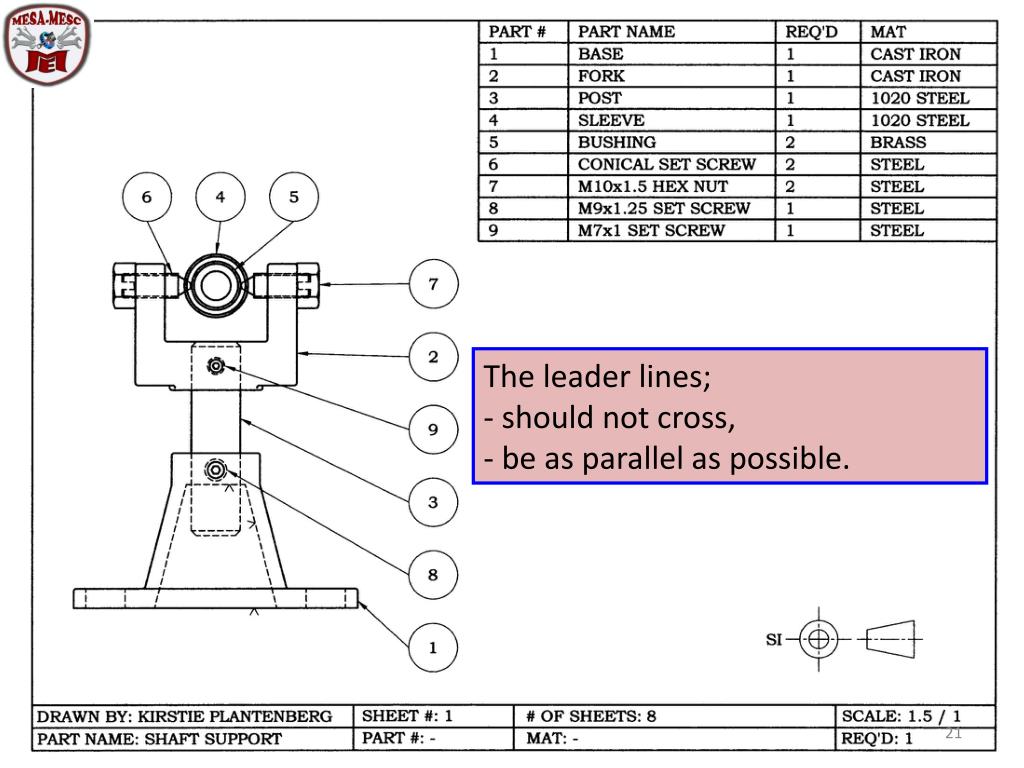
PPT ENGINEERING DRAWING PowerPoint Presentation, free download ID
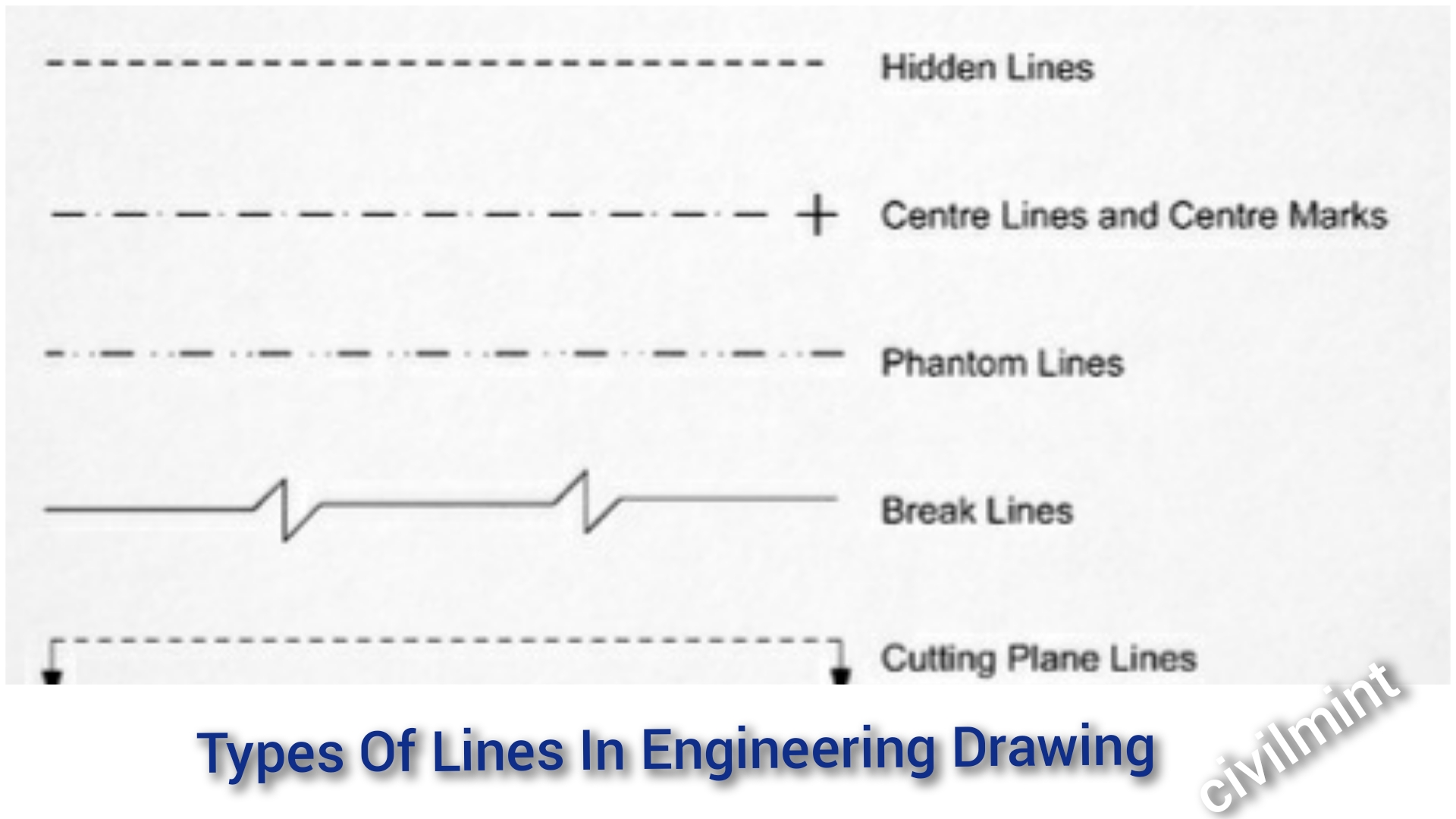
27 Different Types Of Lines In Drawing Pics Drawer Ri vrogue.co
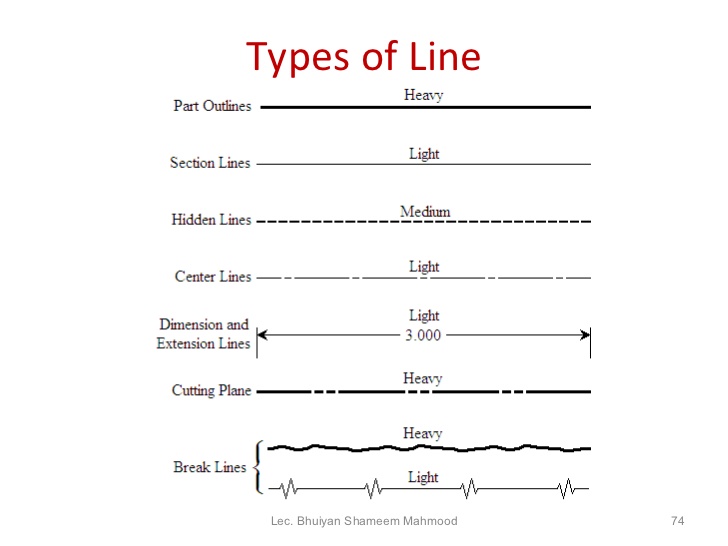
Engineering Drawing 8 Tips to Improve Engineering Drawing Skills (2023)

leader line in engineering drawing winterbeachweddingoutfit
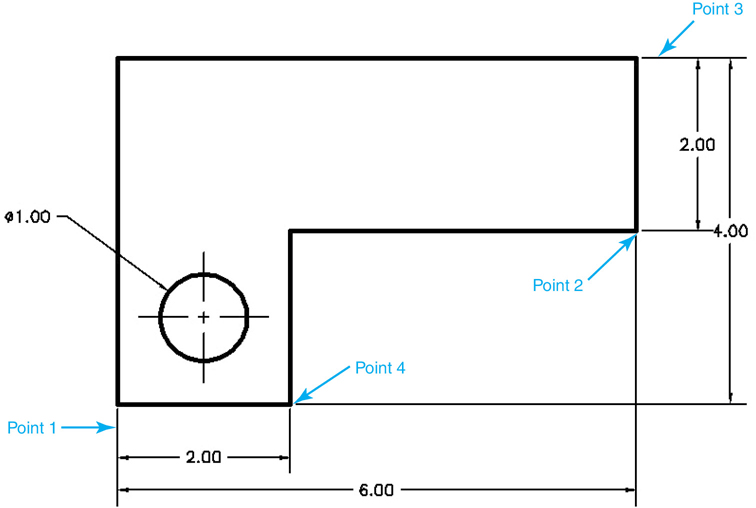
Top more than 122 leader line in engineering drawing latest
PPT Chapter 2 Dimensioning PowerPoint Presentation, free download
Line Conventions Line Conventions Introduction to Engineering DesignTM

leader line in engineering drawing fordtransitconversionvan
PPT Chapter 2 Dimensioning PowerPoint Presentation, free download

Leader Line In Engineering Drawing Hidden / Line conventions in
Leaders Are Used To Indicate Information About Hole Diameters, Radii, And Other Information That Occurs As A Specific Location Or On A Particular Surface On The Drawing.
They Are Used To Connect Parts Or Symbols, To Indicate Distances And Dimensions, Or To Draw Attention To An Item In The Drawing.
Web Engineering Drawings Are A Critical Part Of The Design And Manufacturing Process, Providing Detailed Information On Dimensions, Materials, And Tolerances.
Leader Lines Are Used To Point To Specific Features Or Annotations In A Drawing.
Related Post: