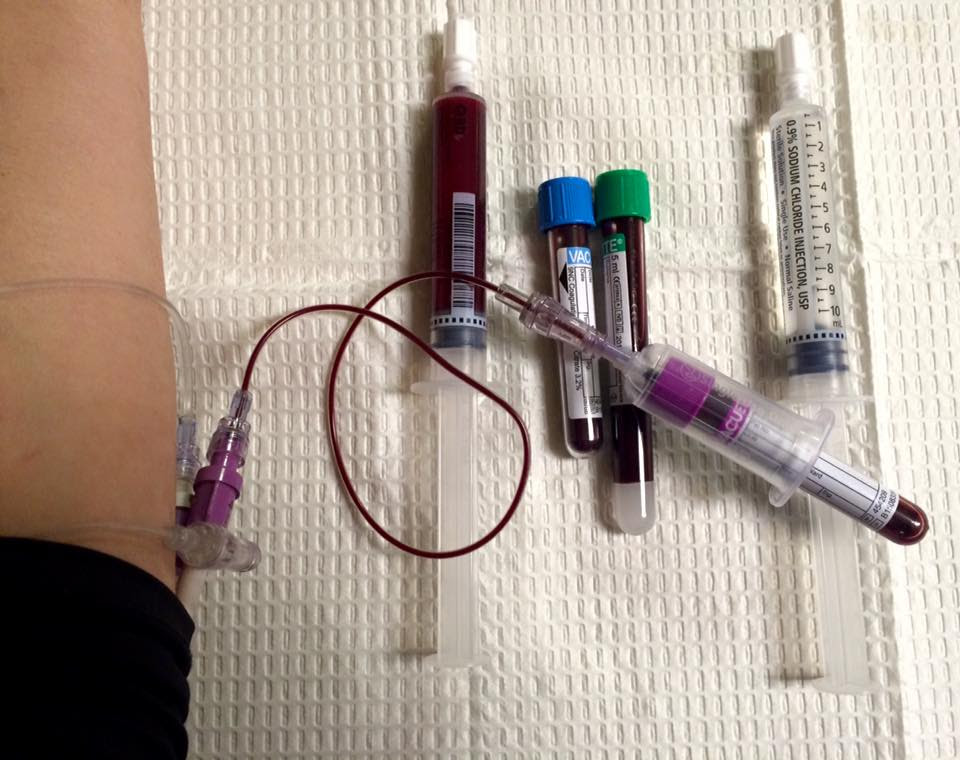
How To Draw Blood From Picc Line
How To Draw Blood From Picc Line - Web a peripherally inserted central catheter, also known as a picc line, is a long, flexible tube (catheter) that is inserted into a vein in your upper arm. 2/ turn off tpn and wait for 30 mins and then draw blood, after having flushed with normal saline, drawing back, throw first sample. If you are drawing blood from a heparinized line (saline without heparin is our standard setup), draw the blue top tubes for inr/ptt last. Wouldnt this method flush the bactieria out of the picc and reduce the chance of a successful culture. The first step is to discuss with the patient what you will be doing and why as well as gather all the needed supplies. Web drawing blood through your picc line can increase the chance of clotting or plugging the line. If possible, withdraw at least 3 ml of blood to. Sure enough, neither port, medication nor blood, gave me a return, but flushed well and fluids ran perfectly well into the line. Web a peripherally inserted central catheter (picc) is a thin, flexible tube that's used to give medicine, blood products, nutrients, or fluids. These ivs should be turned off prior to sampling. After insertion, the catheter is threaded to a central vein near the heart. Next, identify the vein that you will be using. Web #piccline #nursingstudent #nursingskillswelcome back in this video i will go over a general review of your picc lines from anatomical placement, with a revie. Collect one set of blood cultures from a peripheral stab and from each indwelling line (arterial, central line, picc). Web infusions from distal peripheral lines or from any other port of a multilumen picc or temporary venous catheter can dilute or contaminate a lab sample. A picc may be used to draw blood for tests only if another vein, such as in the hand or arm, can't be. A picc line requires careful care and monitoring for complications, including. Each set of blood cultures consists of one anaerobic and one aerobic bottle. Here are the basic steps to drawing blood: It's generally used to give medications or liquid nutrition. Collect one set of blood cultures from a peripheral stab and from each indwelling line (arterial, central line, picc). I will be going over a skills demo on how to withdraw blood from a picc line using a discard method. You have a fever of 100.4 °f (38 °c) or higher. A picc line requires careful care and monitoring for. Prior to using a picc, it should always be checked for patency. If blood aspiration is not possible, or is sluggish, a small amount of saline can be instilled (denton, 2016; Finally, flush the line with the 10mls of saline. Then draw enough blood for your sample. The first step is to discuss with the patient what you will be. If possible, withdraw at least 3 ml of blood to. 2/ turn off tpn and wait for 30 mins and then draw blood, after having flushed with normal saline, drawing back, throw first sample. Clamp the port and thoroughly. Web welcome to caring casa. The patient let me know that the nurses the last few days have not gotten a. Flush with ns and waste blood per the standard process for central line. One end is put through the skin into a vein in the arm and moved into a large vein near your heart. Blood draws via central line catheters may be performed only by rns trained in It's generally used to give medications or liquid nutrition. Web how. Web #piccline #nursingstudent #nursingskillswelcome back in this video i will go over a general review of your picc lines from anatomical placement, with a revie. Blood draws via a central line catheter (picc, subclavian, tunneled) require a written physician’s order. These ivs should be turned off prior to sampling. The first step is to discuss with the patient what you. Drawing specimens from central lines as well. The first step is to discuss with the patient what you will be doing and why as well as gather all the needed supplies. If blood aspiration is not possible, or is sluggish, a small amount of saline can be instilled (denton, 2016; Web to draw blood from a central line catheter for. If possible, withdraw at least 3 ml of blood to. It's generally used to give medications or liquid nutrition. Blood draws via a central line catheter (picc, subclavian, tunneled) require a written physician’s order. One end is put through the skin into a vein in the arm and moved into a large vein near your heart. Web video 2 from. Drawing blood from a patient can be a daunting task, but it also is a necessity for nurses. Web video 2 from a series of 4 on picc line care.this video has been jointly created by interventional radiology, fluoroscopy and cardiology services and the med. Web get new journal tables of contents sent right to your email inbox get new. You pull your picc line out of place or think you might have pulled it out of place. Web if the patient has no intravascular lines, draw 2 sets of peripheral cultures from 2 different draws. This is done by gently drawing back on the syringe and confirming of a swift blood aspirate. Web needle sticks (such as for blood. Web when drawing blood from a double lumen picc line, which has tpn running do you 1/ flush with 10mls of normal saline, pull back 10mls of blood discard and throw that away before taking your sample. If blood aspiration is not possible, or is sluggish, a small amount of saline can be instilled (denton, 2016; Web this morning i. Web how to draw blood. If possible, withdraw at least 3 ml of blood to. A picc line can help avoid the pain of frequent needle sticks and reduce the risk of irritation to the smaller veins in your arms. Web picc line blood draw policy requires blood sampling from a picc line to use antt, a standardized aseptic technique that identifies and protects key parts to prevent introduction of infection and other picc line blood draw problems. Web drawing blood through your picc line can increase the chance of clotting or plugging the line. Web inability to aspirate blood. Or is it best to first flush the picc line and waste blood before drawing the blood cultures? Flush with ns and waste blood per the standard process for central line. Clamp the port and thoroughly. Attempt to draw back after flush. Web personally, i draw the blood in a 10 cc syringe, and instead of using a needle to do the transfer to the blood tube, i take the tops off of the tubes and squirt the blood (the tube tells you how much blood they require) straight from the syringe to the tube. The risk of blood infections is greater the more your line is opened and used. A picc line requires careful care and monitoring for complications, including. This could result in the need to replace the picc line. Web a peripherally inserted central catheter (picc) is a thin, flexible tube that's used to give medicine, blood products, nutrients, or fluids. Web get new journal tables of contents sent right to your email inbox get new issue alerts
drawing blood cultures from picc Kina Pickard
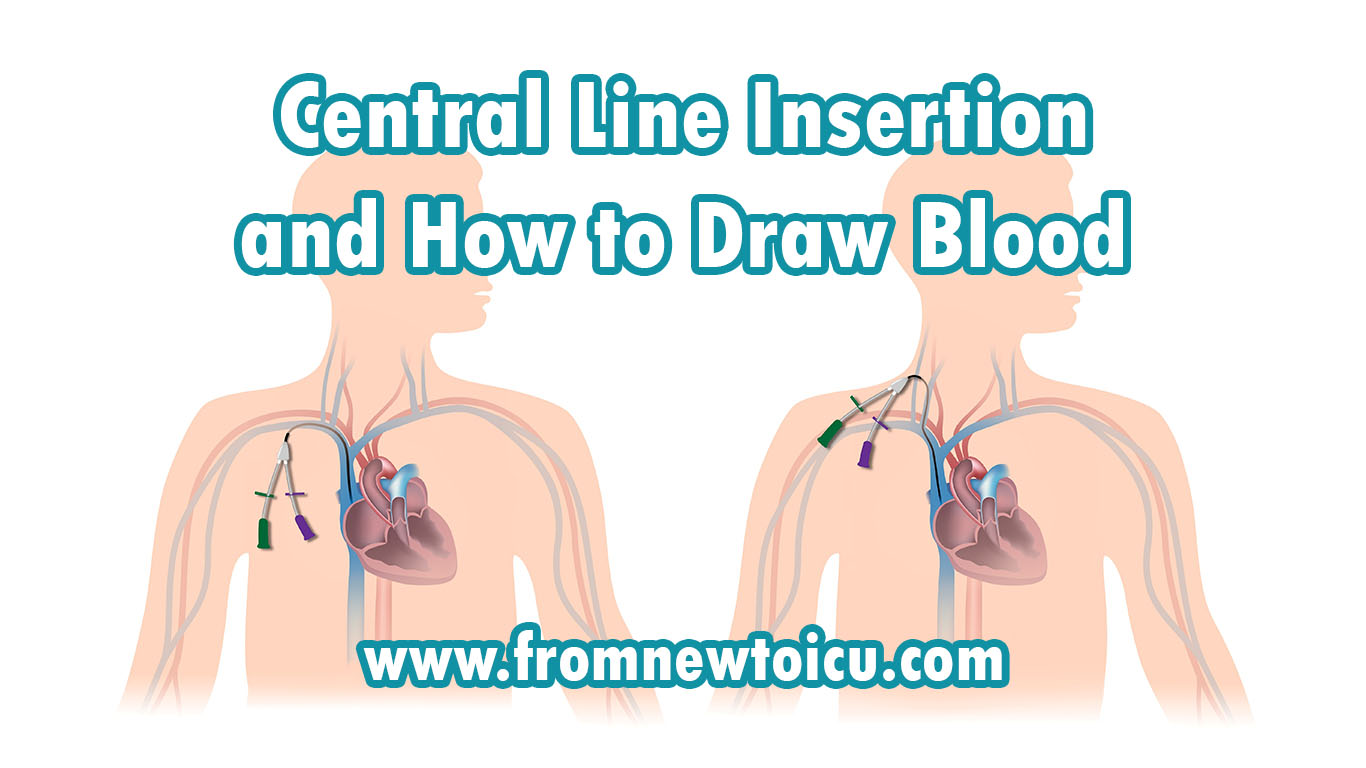
Central Line Insertion and How to Draw Blood — From New to ICU South
Drawing Blood From Picc Line Nursing Ahuefa

PICC Line Blood Draw Explained E Phlebotomy Training

PICC Line Blood Draw YouTube

Blood Draw From A Picc Line How To Insert Stock Photo Download Image
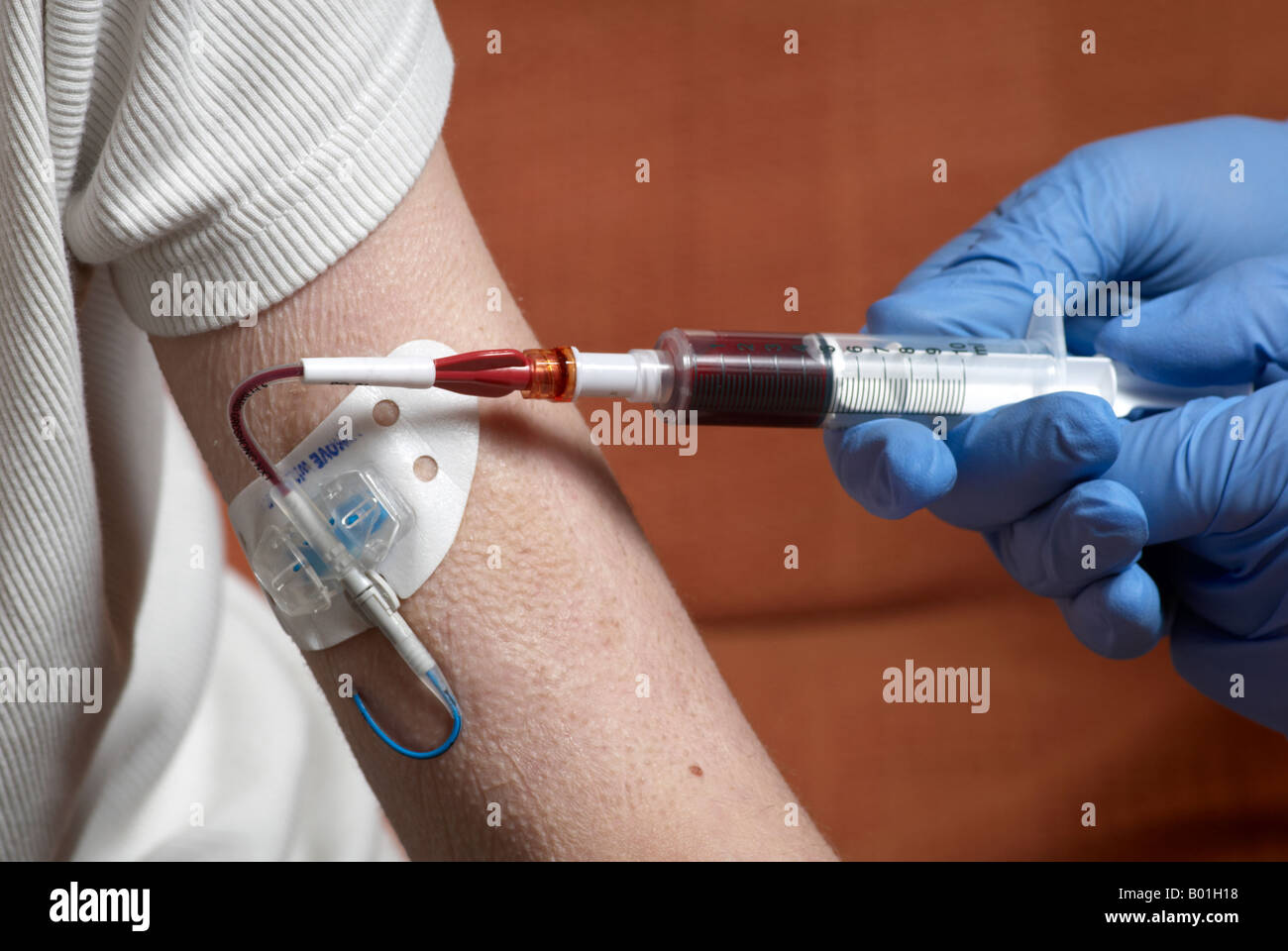
Drawing blood from a picc line with surgical gloves (peripherally Stock
drawing blood cultures from picc Kina Pickard
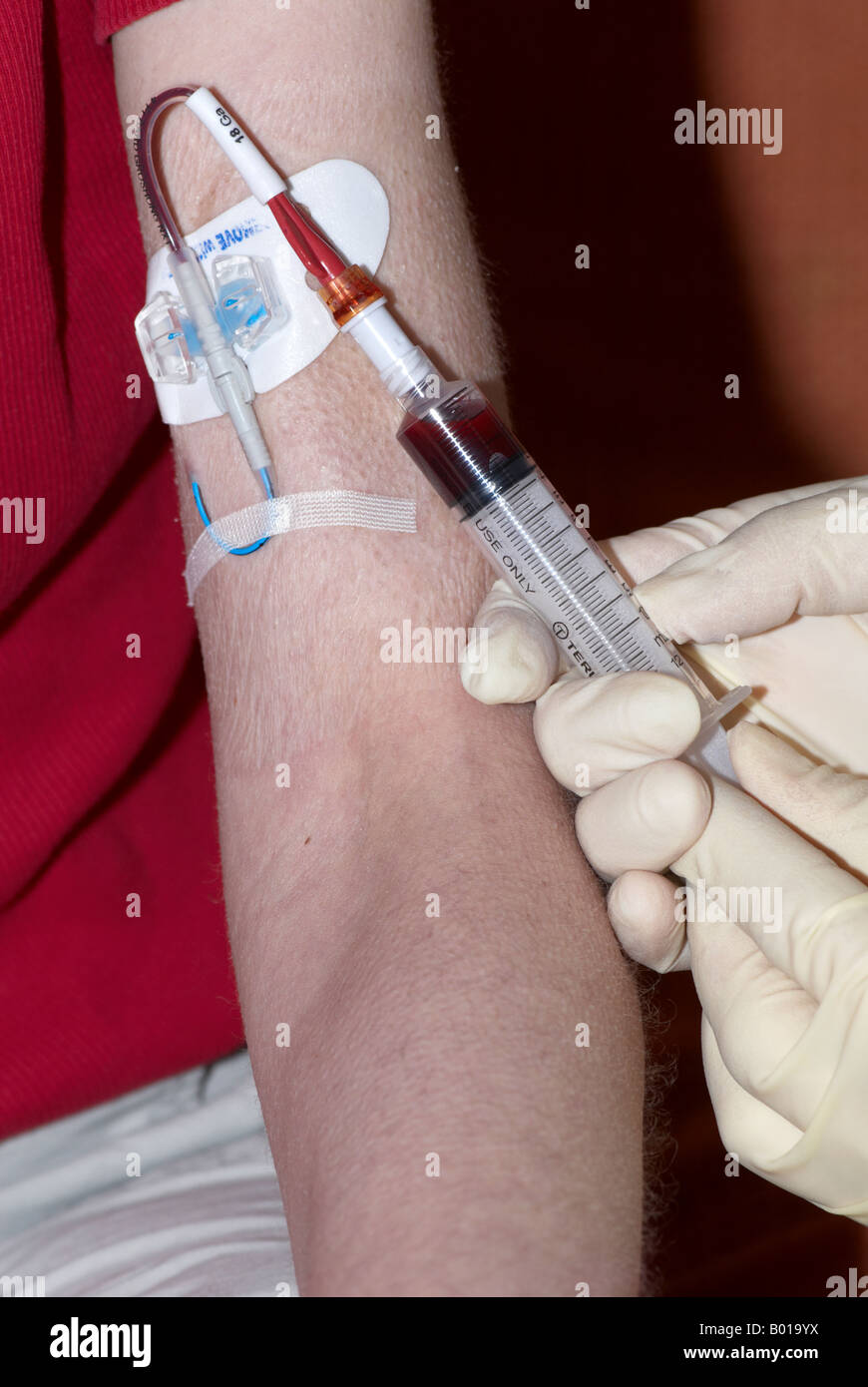
Drawing labs from picc line information DRAWING 99

How To Draw Blood A StepByStep Guide For Medical Professionals
Web A Peripherally Inserted Central Catheter, Also Known As A Picc Line, Is A Long, Flexible Tube (Catheter) That Is Inserted Into A Vein In Your Upper Arm.
Blood Draws Via Central Line Catheters May Be Performed Only By Rns Trained In
At Least Once A Week, Your:
Sure Enough, Neither Port, Medication Nor Blood, Gave Me A Return, But Flushed Well And Fluids Ran Perfectly Well Into The Line.
Related Post: