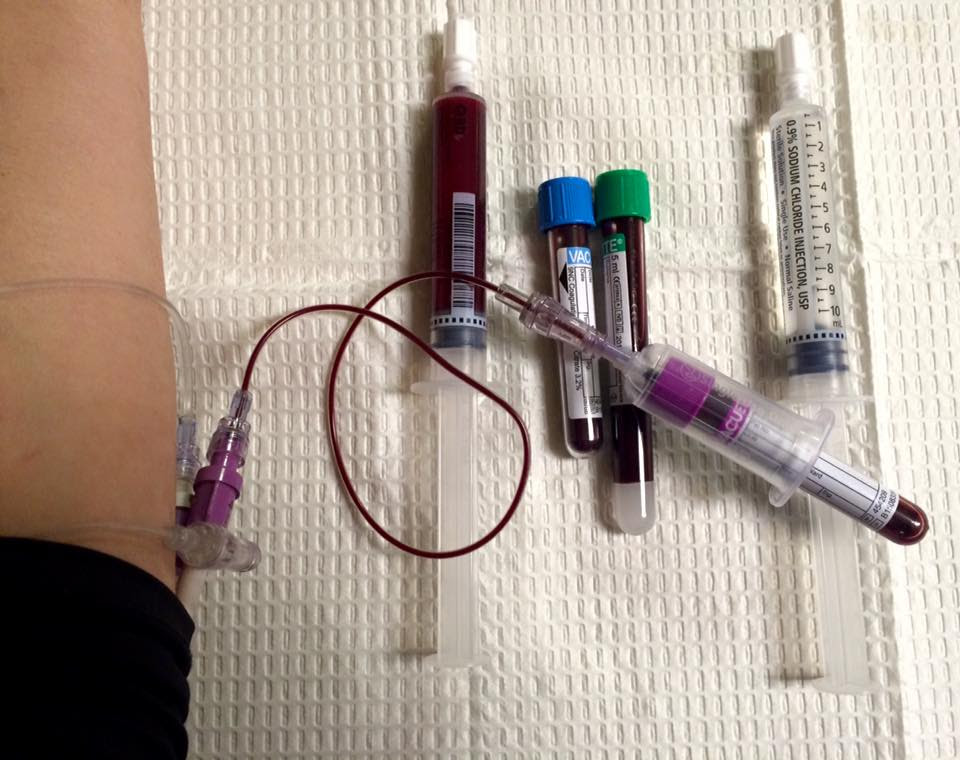
How To Draw Blood From A Picc Line
How To Draw Blood From A Picc Line - This morning i was supposed to draw blood from a picc line for labs. You might get contrast dye before medical imaging tests, such as before a computed tomography (ct) scan. Unlike regular iv catheters, piccs can stay in place for weeks or months and can thus. Ultrasound pictures are often used to choose the vein and guide the needle into your vein. Maintain aseptic technique when accessing the catheter as outlined. It may also be used for drawing blood. Contrast makes differences inside your body easier to see. After blood sampling, back flush into a vacutainer tube to clear any blood from the line. Web drawing blood through a central venous catheter. Web blood drawing from indwelling arterial or central venous lines is done through a stopcock with a needleless access device on the sampling port. Blood draws via central line catheters may be performed only by rns trained in. This video has been jointly created by interventional radiology, fluoroscopy and cardiolog.more. If possible, withdraw at least 3 ml of blood to waste. One end is put through the skin into a vein in the arm and moved into a large vein near your heart. The first step is to discuss with the patient what you will be doing and why as well as gather all the needed supplies. Web a doctor can use the opening of the picc on the outside of the arm to draw blood or administer fluids and medications without the need for continual needle pricks. Web a peripherally inserted central catheter, also known as a picc line, is a long, flexible tube (catheter) that is inserted into a vein in your upper arm. Some piccs can also be used to put contrast dye into your bloodstream. Web you may well be asked to take blood from a picc line or be called to see a patient because their picc line is not working. Flush iv with normal saline. The first step is to discuss with the patient what you will be doing and why as well as gather all the needed supplies. Web how to draw blood. Web drawing blood through your picc line can increase the chance of clotting or plugging the line. If necessary, clamp the catheter when flushing is complete. Picc catheters come in single. After insertion, the catheter is threaded to a central vein near the heart. Web blood drawing from indwelling arterial or central venous lines is done through a stopcock with a needleless access device on the sampling port. If possible, withdraw at least 3 ml of blood to waste. Attempt to draw back after flush. The patient let me know that. Remove the first 3 to 5 ml of blood and then discard. I'm curious as to why this would happen. This could result in the need to replace the picc line. After blood sampling, back flush into a vacutainer tube to clear any blood from the line. The patient let me know that the nurses the last few days have. Web how to draw blood. Web a picc is used to give medications, fluids, blood products, chemotherapy, or nutrition through a vein. It may also be used for drawing blood. Web the picc lines commonly used at hss has a patented groshong valve, which offers an advantage of not requiring a blood thinner to be mixed with the saline flushes.. Web the picc lines commonly used at hss has a patented groshong valve, which offers an advantage of not requiring a blood thinner to be mixed with the saline flushes. Advantages of a picc line. This video has been jointly created by interventional radiology, fluoroscopy and cardiolog.more. Blood draws via central line catheters may be performed only by rns trained. Blood draws via a central line catheter (picc, subclavian, tunneled) require a written physician’s order. The first step is to discuss with the patient what you will be doing and why as well as gather all the needed supplies. Web review the steps of how to perform a proper central venous access draw (cvad) procedure here. The patient let me. Dec 25, 2022 published sep 30, 2015. Unlike regular iv catheters, piccs can stay in place for weeks or months and can thus. One end of the catheter stays outside the skin and has one or two tubes called lumens. After insertion, the catheter is threaded to a central vein near the heart. Flush iv with normal saline. Video 2 from a series of 4 on picc line care. Blood draws via a central line catheter (picc, subclavian, tunneled) require a written physician’s order. Blood draws via central line catheters may be performed only by rns trained in. Ultrasound looks inside your body with a device that is moved over your skin. Web the cdc specified that picc. The first step is to discuss with the patient what you will be doing and why as well as gather all the needed supplies. After insertion, the catheter is threaded to a central vein near the heart. I'm curious as to why this would happen. Video 2 from a series of 4 on picc line care. You have redness or. Web the steps to insert it are: Web a peripherally inserted central catheter (picc) is a thin, flexible tube that's used to give medicine, blood products, nutrients, or fluids. Dec 25, 2022 published sep 30, 2015. Web picc line blood draw. The picc line can be used to deliver fluids and medications, draw blood, or perform blood transfusions. Ultrasound pictures are often used to choose the vein and guide the needle into your vein. Unlike regular iv catheters, piccs can stay in place for weeks or months and can thus. Web drawing blood through your picc line can increase the chance of clotting or plugging the line. The area where the needle is inserted is cleaned. The picc line can be used to deliver fluids and medications, draw blood, or perform blood transfusions. One end is put through the skin into a vein in the arm and moved into a large vein near your heart. Attempt to draw back after flush. You have redness or warmth at the picc line site or in the arm with the picc line. In this article we will take you through the basics of picc lines, why they are needed, how to use them and some common pitfalls. This video has been jointly created by interventional radiology, fluoroscopy and cardiolog.more. A tourniquet (strap) is tied around your arm near your shoulder. Web the steps to insert it are: I'm curious as to why this would happen. Web a peripherally inserted central catheter, also known as a picc line, is a long, flexible tube (catheter) that is inserted into a vein in your upper arm. 97k views 10 years ago. Web you have numbness or tingling in your arm, hands, or fingers of the arm where the picc line is placed.
drawing blood cultures from picc Kina Pickard
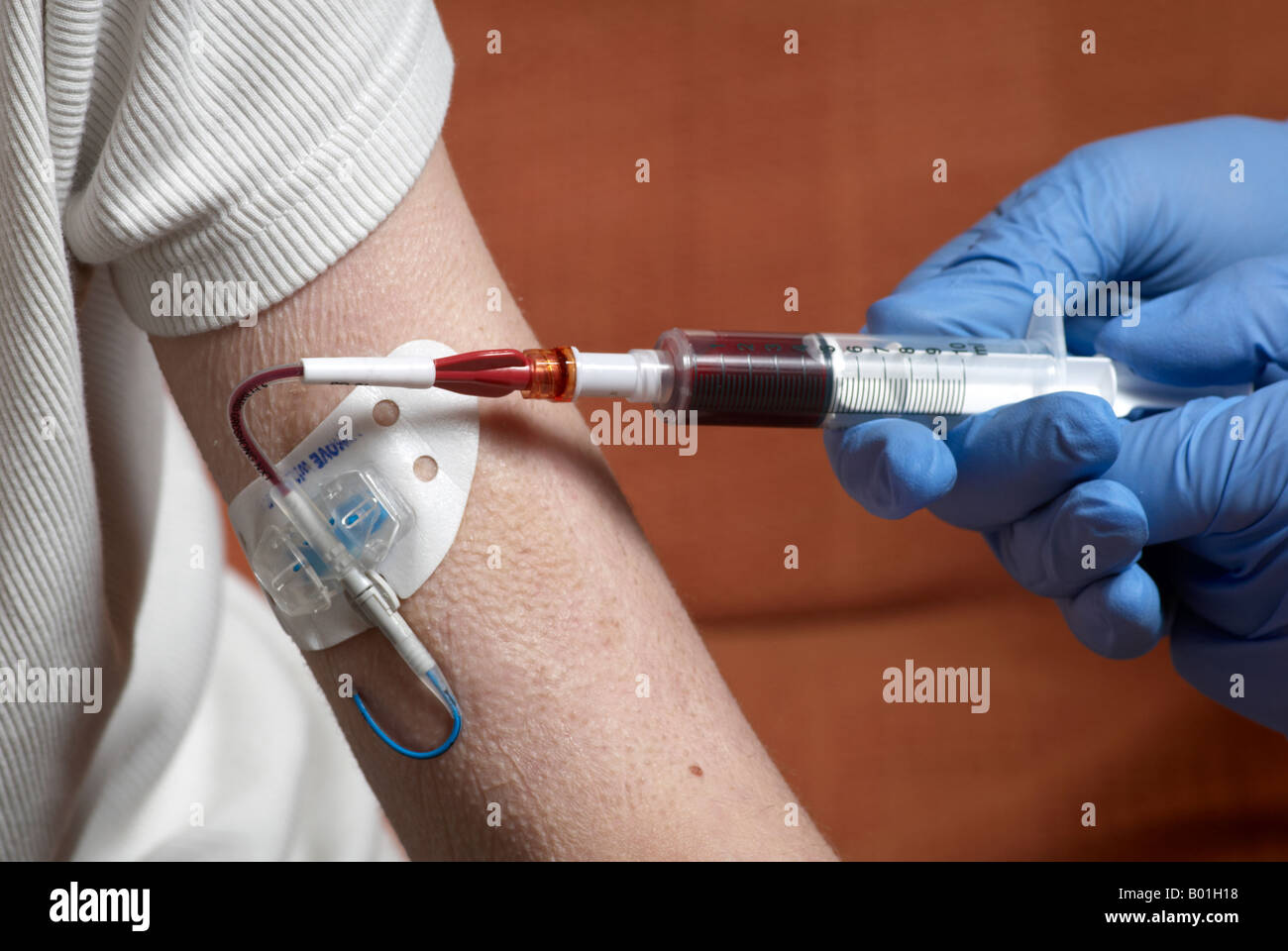
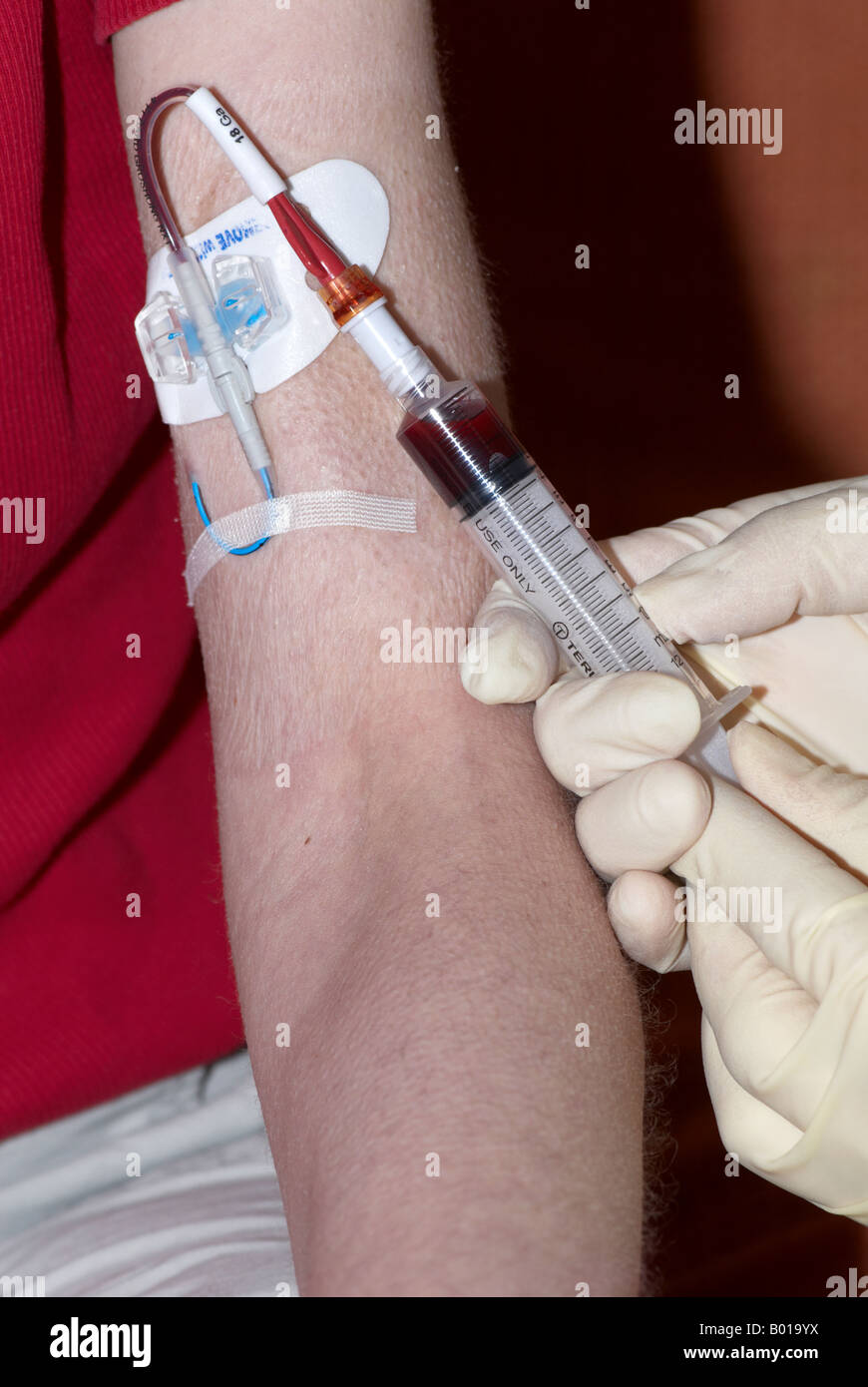
Drawing blood from a picc line with surgical gloves (peripherally Stock

PICC Line Blood Draw YouTube
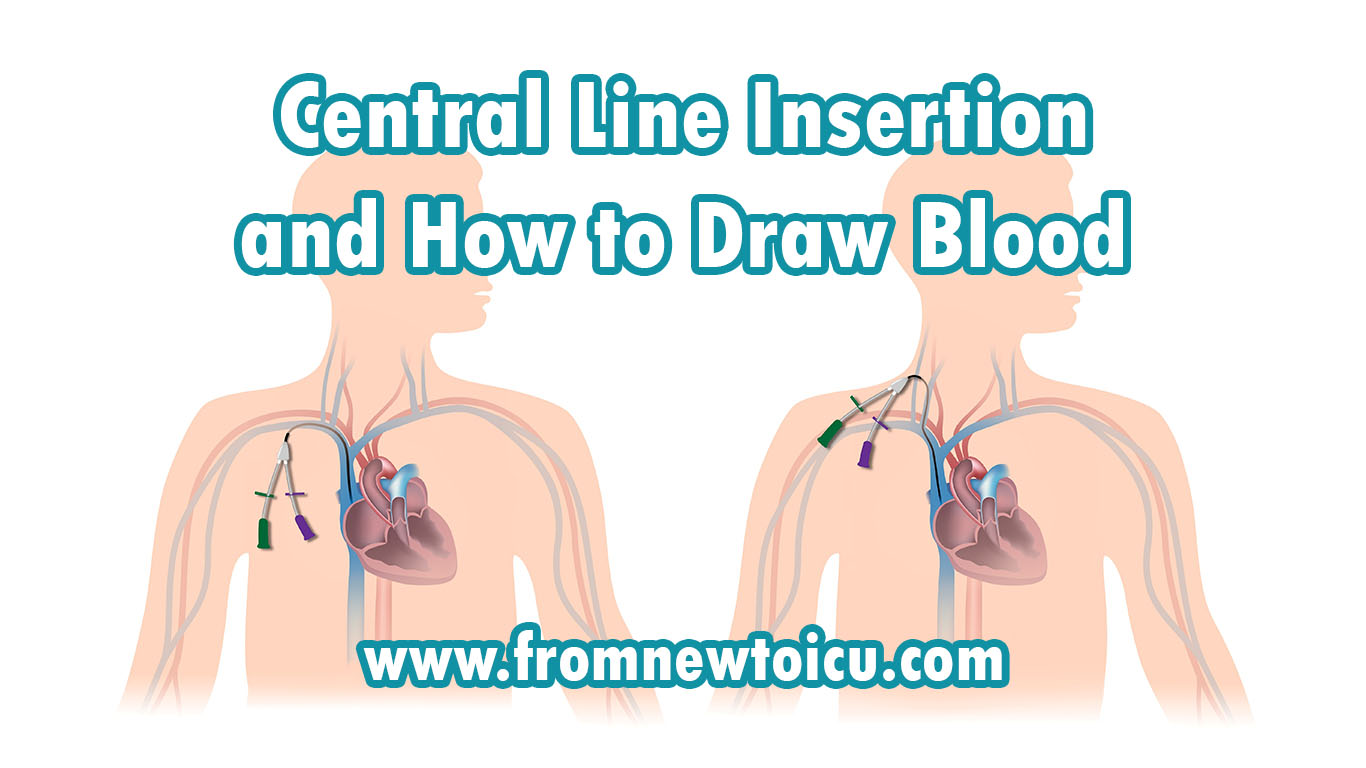
Central Line Insertion and How to Draw Blood — From New to ICU South
drawing blood cultures from picc Kina Pickard

Blood Draw From A Picc Line How To Insert Stock Photo Download Image
Drawing Blood From Picc Line Nursing Ahuefa

How To Draw Blood A StepByStep Guide For Medical Professionals

PICC Line Blood Draw Explained E Phlebotomy Training
Drawing labs from picc line information DRAWING 99
Web Blood Drawing From Indwelling Arterial Or Central Venous Lines Is Done Through A Stopcock With A Needleless Access Device On The Sampling Port.
Some Piccs Can Also Be Used To Put Contrast Dye Into Your Bloodstream.
Web Drawing Blood Through A Central Venous Catheter.
After Insertion, The Catheter Is Threaded To A Central Vein Near The Heart.
Related Post: